
Key Takeaways
Lighting is a strategic element of event design
Beyond aesthetics, effective lighting directs attention to key areas such as stages, product displays, branding, and presentations, helping attendees stay focused and engaged throughout the event.
The right lighting enhances the attendee experience
Well-balanced lighting improves mood, encourages networking and collaboration, creates a comfortable atmosphere, and even supports social media sharing by making photos and videos look their best.
Thoughtful lighting contributes to safety and event success
Proper illumination improves visibility, reduces safety risks, and helps create a secure environment for guests and staff while supporting the overall professionalism of the event
Thoughtful planning and attention to detail are essential for impactful event design, especially in the corporate world, where design choices can directly influence outcomes. A well-designed event engages attendees and aligns with business goals to support your bottom line. Lighting is often overlooked after you place a significant amount of attention on branding, floor plans, and seating arrangements.
1. Draws Attention Where You Want It
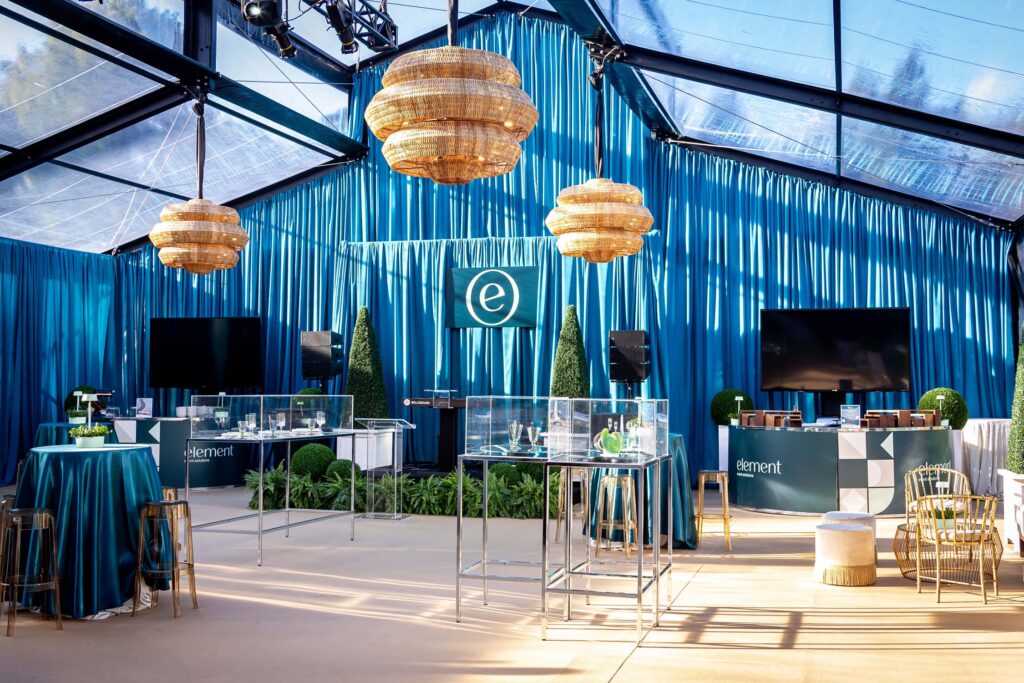
The most obvious benefit of better lighting management is that it can be leveraged to place the focus exactly when and where (within the venue) you want it. When optimized, lighting will draw attendees’ attention to the stage, branding, product displays, on-site exhibitions, demonstrations, and more as needed. Lighting also negates the need for audible announcements (which can be obtrusive) to encourage attendees to shift attention elsewhere.
2. Improves Engagement Between Colleagues and Clients
It is integral to engagement between colleagues and customers/clients who may be in attendance. Suppose your event takes place during the day. In that case, lighting design must consider bringing natural light into the venue (where viable), as countless studies prove that natural lighting directly and positively impacts meeting engagement. But even without access to windows or daylight, lighting can be manipulated to create comfortable spaces for people to engage one another. If it is too bright, attendees will be uncomfortable and may even become self-conscious. If too dim, they may be lulled into submission as energy levels are zapped by a lack of illumination. Finding the right balance for the event space (and spaces within) is essential to captivating individuals and crowds alike.
3. Enhances Mood
This concept goes beyond the general logic that better lighting makes people feel happy. For instance, the National Institute of Mental Health states that a cluster of neurons in the thalamus, a part of the brain responsible for relaying sensory information to other brain areas, serves as a pathway for light to affect a person’s mood positively. Countless studies support lighting design, and FORBES reports that 60% of workers state that their companies don’t provide the adequate light required for optimal job performance. You have likely considered this already as a part of your office design, but don’t forget to carry the concept to your corporate events, too.
4. Encourages Social Sharing
Every company benefits from positive exposure on social networks, be it on their profiles or that of employees or customer/client advocates. By offering better event lighting, you create a space conducive to staff/attendee photo-taking and filming (where permitted), which allows for live and post-event content sharing that can serve your own public relations initiatives. Given the limitations of smartphone cameras in capturing quality photos in poor lighting, you want to provide lenses with something they can work with.
5. Attendee Safety and Security
This may be the most practical benefit of smarter event lighting, but it is no less critical. Ensuring that lights are integrated to create safe spaces for attendees and staff at a given venue is very important as there are moral concerns and personal injury and property damage liability implications to consider. When it can be proven that there was insufficient lighting to protect against accidents and other threats, a case for a claim against your business can be made.
It’s never too early to start planning your corporate gathering, so contact us today for a consultation that will ensure that all the variables addressed above are considered for your event.
Frequently Asked Questions
Why is lighting so important at corporate events?
It helps direct attention, enhances the event atmosphere, supports attendee engagement, reinforces branding, and contributes to a more memorable and professional event experience
How can lighting improve attendee engagement?
By balancing natural and artificial light, organizers can create comfortable spaces that encourage conversation, maintain energy levels, and keep attendees focused on presentations, networking, and key event activities
What should I consider when planning event lighting?
Focus on highlighting important event features, creating the right mood for different spaces, ensuring adequate lighting for photography and social sharing, and maintaining safe, well-lit pathways and gathering areas for all attendees