Key Takeaways
Space and scale are the foundation of successful event design
Thoughtfully balancing venue size, furniture placement, and guest flow creates an event that feels comfortable, functional, and visually cohesive
Furniture selection should balance scale, style, and function
Choosing furniture that’s appropriately sized for the venue and serves multiple purposes helps maximize space while creating a comfortable and visually balanced environment
Strategic planning leads to seamless execution
Considering logistics such as setup access, focal points, guest flow, and professional installation helps ensure a smooth event from setup through teardown
Great event design is about more than selecting beautiful décor, it’s about creating an environment that feels balanced, functional, and memorable. Space and scale play a critical role in every successful event design, influencing how guests move through the venue, interact with one another, and experience the atmosphere. Whether you’re planning a corporate event, wedding, gala, or private celebration, understanding how to use space effectively helps transform an ordinary venue into an engaging and cohesive experience.
Thoughtful event design considers every element of the venue, from furniture placement and seating layouts to focal points, lighting, and décor. When space and scale are carefully balanced, each design element works together to maximize the venue’s potential while maintaining comfort, flow, and visual harmony. The result is an event that not only looks exceptional but also enhances the guest experience from arrival to departure.
In this guide, we’ll explore how space and scale influence event design and share practical strategies for creating layouts that are both visually striking and highly functional, helping you design memorable events of every size.
How to Balance Space and Scale in Event Design
Planning is Key
Always create a comprehensive floor plan that highlights fixed features such as pillars and doorways, which will affect furniture placement. Accurate measurements are crucial, especially considering uneven surfaces and permanent fixtures.
Consider natural light sources during furniture placement to optimize guest comfort throughout the day.
Guest Flow Matters
When planning your layout, it’s essential to prioritize clear pathways to allow guests to move freely through the space. Avoid placing seating areas in a way that obstructs movement.
Pay special attention to entry and exit points, as well as high-traffic areas like bars and buffets, to maintain a smooth flow throughout the venue.
Define Functional Zones
Identify the different functions of your venue’s spaces such as dining, dancing, and lounging, to guide your furniture selection. This will help create a well-organized flow for your event.

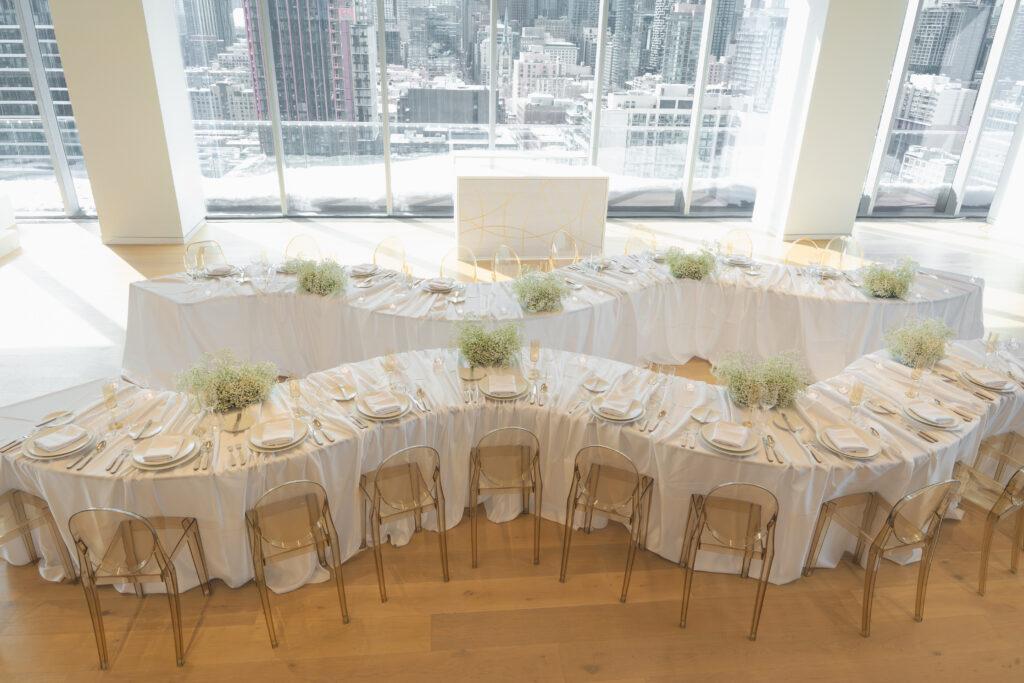
Optimizing Event Space
Zoning for Flow
Organize your venue by creating specific zones for activities like dining, socializing, and entertainment. This helps maintain a well-organized flow and prevents overcrowding.
Use area rugs or floor decals to visually define these zones, making the space more intuitive for guests.
Utilizing Vertical Space
Make the most of vertical space by incorporating elements such as drapery, lighting, and decor. These additions create depth and enhance the ambiance without taking up valuable floor space.
Hanging installations or strategically placed greenery can add visual interest and elegance.
Embracing Multi-Functional Furniture
Choose furniture that serves multiple purposes, like ottomans that can double as seats or tables. This flexibility allows you to optimize your layout and maximize seating capacity, ensuring that your event space remains both functional and aesthetic.
Scaling Furniture for Events
Scaling furniture ensures a comfortable and visually balanced atmosphere.
Choose furniture that complements the space size. For example, opt for sleek chairs in smaller areas and introduce larger, plush sofas in spacious ones to create a comfortable and balanced feel.
Creating Balance
Ensure a mix of furniture sizes for visual interest. Avoid placing all the tall furniture together and distribute it throughout the space for a more aesthetically pleasing arrangement.

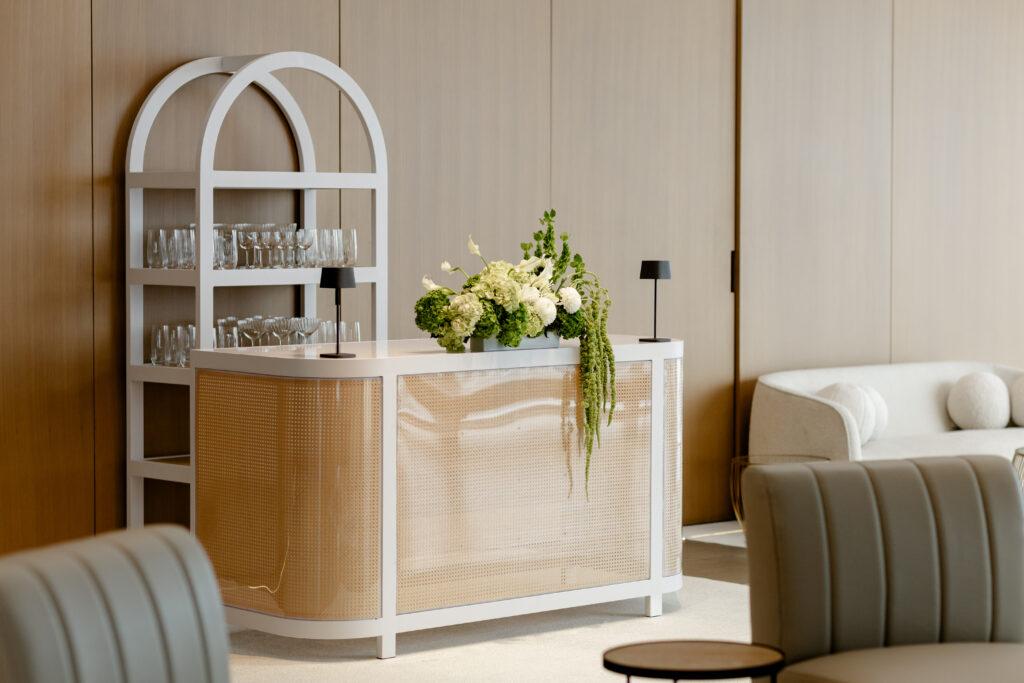
Event Furniture Layout
Lounge Design Integration
Create cohesive lounge areas that contribute to a well-designed event furniture layout. Consider the overall flow of the event and position furniture to encourage interaction and movement between different areas.
For example, use grey corner sofas in secluded areas for intimate conversation spots, while placing sleeker pieces in high-traffic zones like hallways.
Clear Pathways for Easy Navigation
Arrange furniture for easy navigation. Maintain adequate space between seating areas to prevent congestion, especially around high-traffic areas like food stations and restrooms.
Focal Points Take Center Stage
Design around key focal points, such as the stage, bar, or dance floor. Ensure that seating arrangements provide good views of these areas to help guests comfortably participate in the main activities of the event.
Efficient Furniture Management
Plan for Smooth Setup
Identify the easiest access points for moving furniture in and out of the venue. Consider factors like freight elevator availability, parking proximity, and potential obstacles during transport. Create a detailed floor plan and timeline outlining furniture placement and assigning tasks to your team or hired movers.
Consider Professional Help
Choose professional event rental services that handle setup and takedown, saving you time and ensuring a stress-free process.
The Power of Strategic Furniture Selection
Beyond scaling, the specific furniture pieces you choose can significantly impact the overall event experience.
- Event Theme: Select furniture that complements your event’s theme. For a rustic wedding, you might consider natural wood furniture and woven accents.
- Durability and Comfort: Choose furniture that is both durable and comfortable for guests. Opt for high-quality materials that can withstand wear and tear throughout the event.
- Style Meets Functionality: Balance style with functionality. Striking a balance between these elements ensures your furniture choices are aesthetically pleasing while also meeting the needs of your event.
For more insights on optimizing your events contact us today.
Frequently Asked Questions
How can I make the most of a small or challenging event venue?
Start with an accurate floor plan, create dedicated activity zones, utilize vertical décor elements, and choose multi-functional furniture to maximize both space and guest comfort
How do I choose the right furniture for my event?
Select furniture that matches your venue’s size, complements your event theme, and balances comfort with functionality. Mixing different furniture heights and styles also creates visual interest
What are the most important considerations when planning an event layout?
Prioritize guest flow, maintain clear pathways, position seating around key focal points such as the stage or dance floor, and account for logistical factors like entrances, exits, and setup access to create an efficient and enjoyable event experience